Magnetic Particle vs. Liquid Penetrant Testing
Magnetic Particle Testing vs. Liquid Penetrant Testing: Which Method Should You Choose?
Detecting material discontinuities before they contribute to equipment failures is an essential part of industrial quality control, maintenance and safety.
Among the most widely used non-destructive testing (NDT) methods for surface inspection are Magnetic Particle Testing (MT) and Liquid Penetrant Testing (PT).
Although both methods help inspection professionals identify discontinuities without damaging the inspected component, they operate differently and are suitable for different materials and applications.
Understanding their differences can help organizations select the appropriate inspection method, improve inspection reliability and reduce unnecessary costs.
What Is Magnetic Particle Testing (MT)?
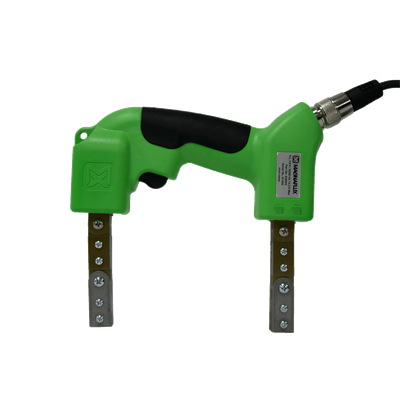
Magnetic Particle Testing is a non-destructive testing method used to detect surface and certain near-surface discontinuities in ferromagnetic materials, such as many carbon steels and iron alloys.
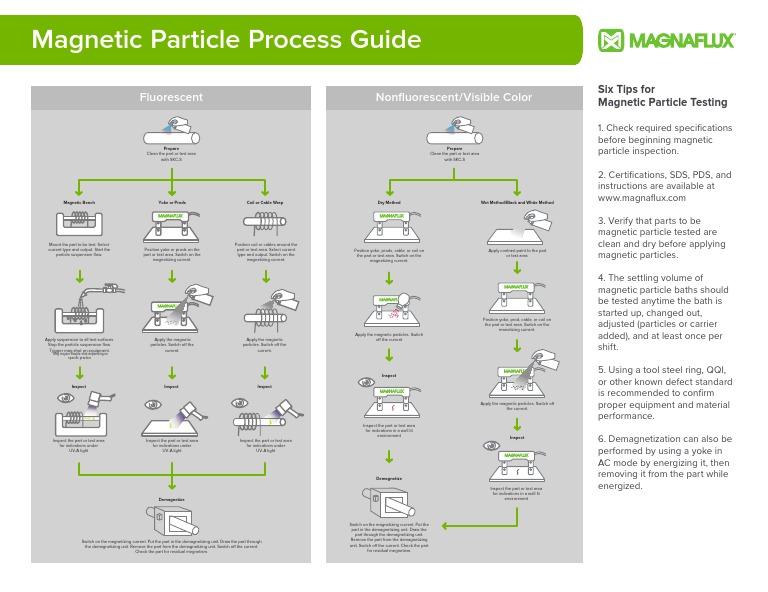
The process involves magnetizing the component and applying magnetic particles to its surface.
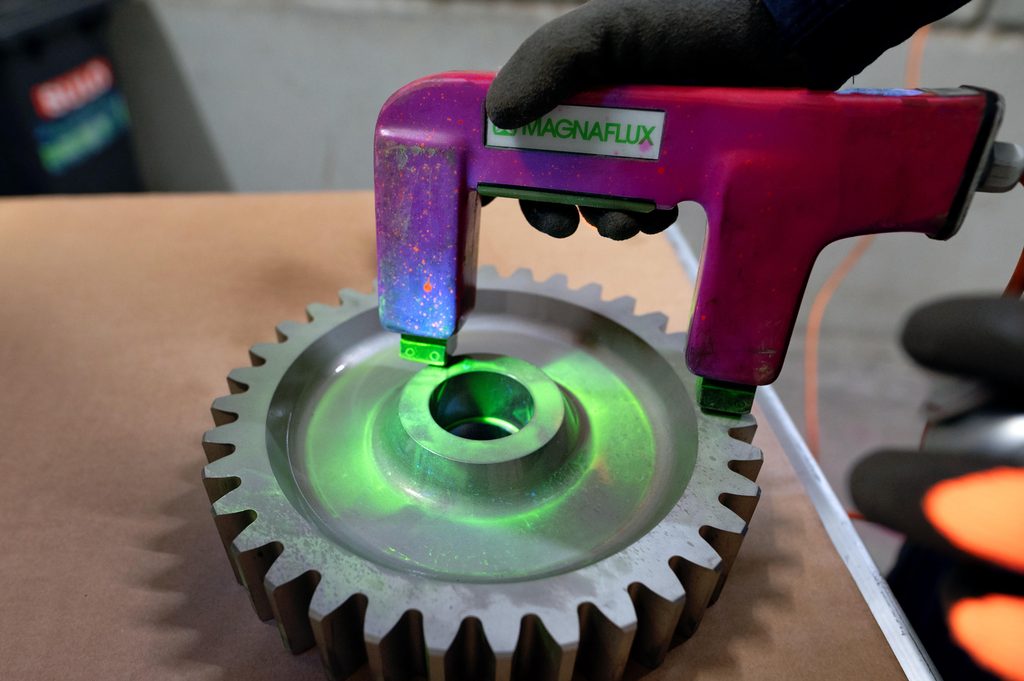
When a discontinuity interrupts the magnetic field, it can create a magnetic flux leakage field that attracts the particles, forming a visible indication.
Depending on the inspection procedure, magnetic particles may be applied in dry powder form or suspended in a liquid carrier. Visible or fluorescent particles may also be used.
Common applications of Magnetic Particle Testing
- Weld inspection
- Steel castings and forgings
- Automotive components
- Industrial machinery
- Structural steel components
- Ferromagnetic pipes and pressure equipment
Advantages of Magnetic Particle Testing
- Detects surface and certain near-surface discontinuities.
- Provides relatively rapid inspection results.
- Offers high sensitivity to suitable discontinuities under appropriate inspection conditions.
- Can be performed using portable inspection equipment.
- Suitable for a wide range of ferromagnetic industrial components.
Limitations of Magnetic Particle Testing
- Limited to ferromagnetic materials.
- Discontinuity orientation can affect detection sensitivity.
- May require magnetization in multiple directions.
- Demagnetization and post-inspection cleaning may be necessary.
What Is Liquid Penetrant Testing (PT)?
Liquid Penetrant Testing is a non-destructive testing method used to identify surface-breaking discontinuities in suitable nonporous materials.
Unlike Magnetic Particle Testing, Liquid Penetrant Testing does not depend on the magnetic properties of the material.
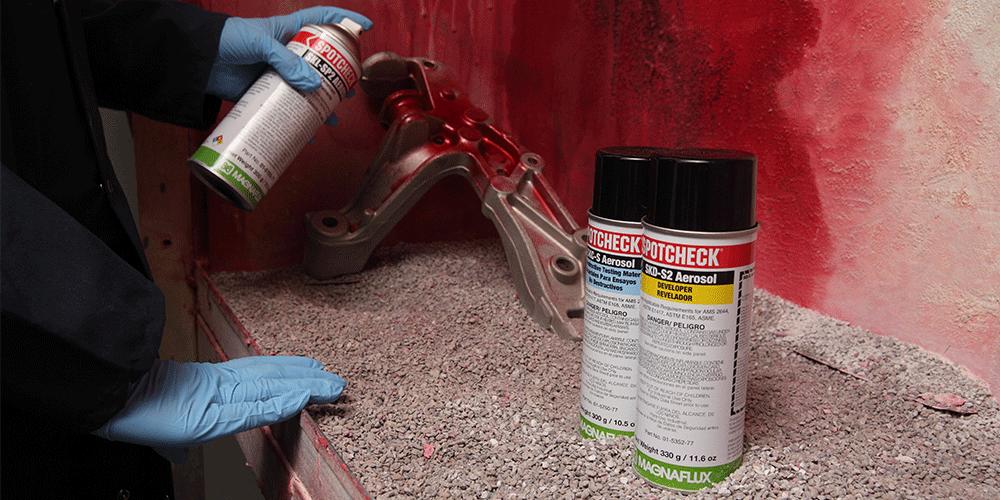
The inspection process involves applying a liquid penetrant to a properly cleaned surface. Through capillary action, the penetrant enters discontinuities that are open to the surface.
After the required dwell time, excess penetrant is removed and a developer is typically applied to help draw the remaining penetrant out of the discontinuities, making indications easier to observe.
Depending on the inspection requirements, visible dye or fluorescent penetrant systems may be used.
Common applications of Liquid Penetrant Testing
- Stainless steel and aluminum components
- Aerospace components
- Welded assemblies
- Nonferrous metal castings
- Industrial equipment
- Suitable nonporous ceramic components
Advantages of Liquid Penetrant Testing
- Can be used on a wide variety of nonporous materials.
- Offers high sensitivity to fine surface-breaking discontinuities.
- Suitable for components with complex geometries.
- Portable inspection kits are available.
- Does not require magnetization of the inspected material.
Limitations of Liquid Penetrant Testing
- Detects only discontinuities that are open to the surface.
- Requires proper surface preparation and cleaning.
- Unsuitable for porous materials.
- Inspection time depends on the required processing and dwell times.
- Requires appropriate handling and disposal of inspection chemicals.
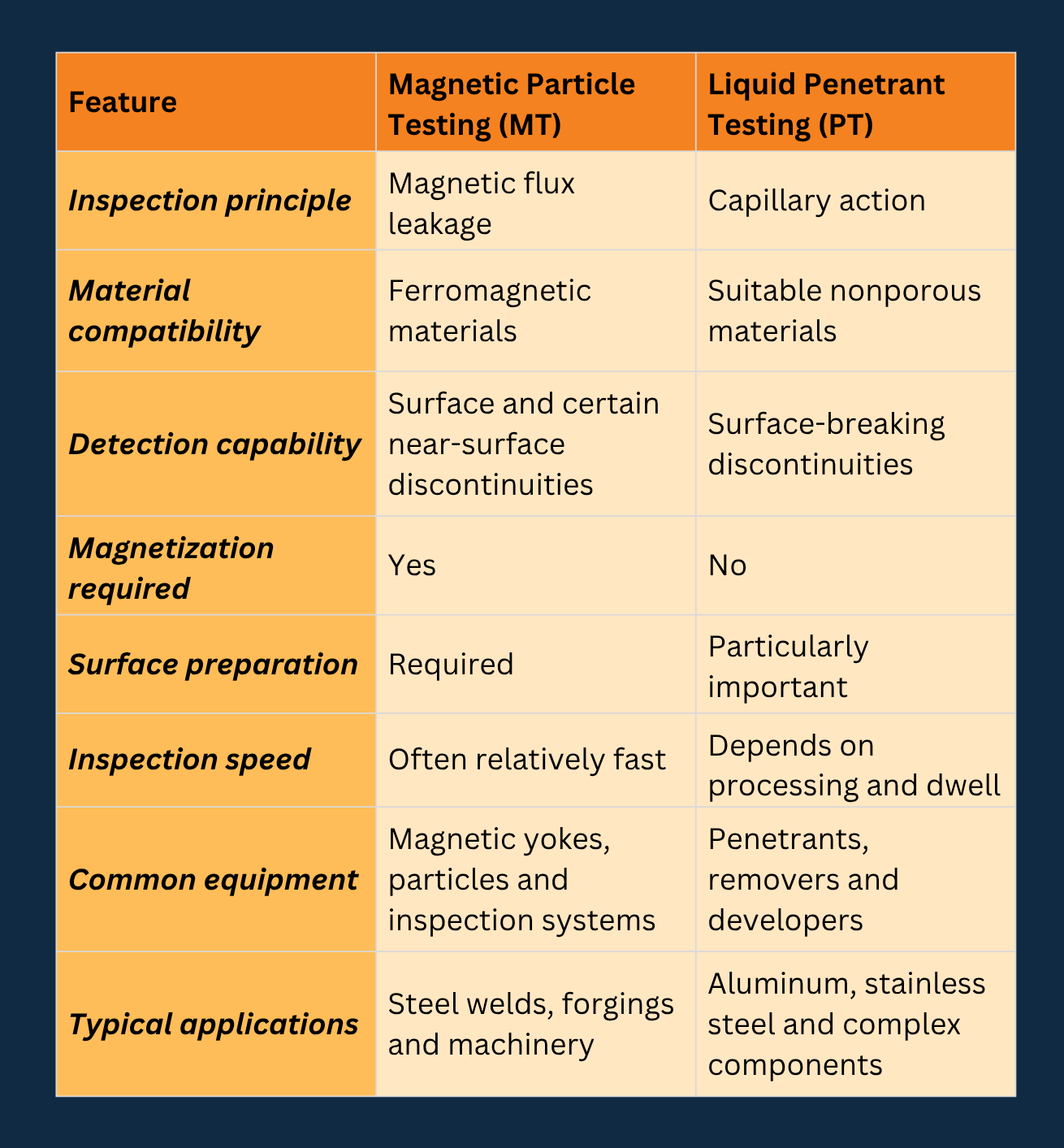
Magnetic Particle Testing vs. Liquid Penetrant Testing: Key Differences
While both methods are valuable for industrial surface inspection, their material compatibility, detection capabilities and inspection procedures differ significantly.
How to Choose the Right Inspection Method
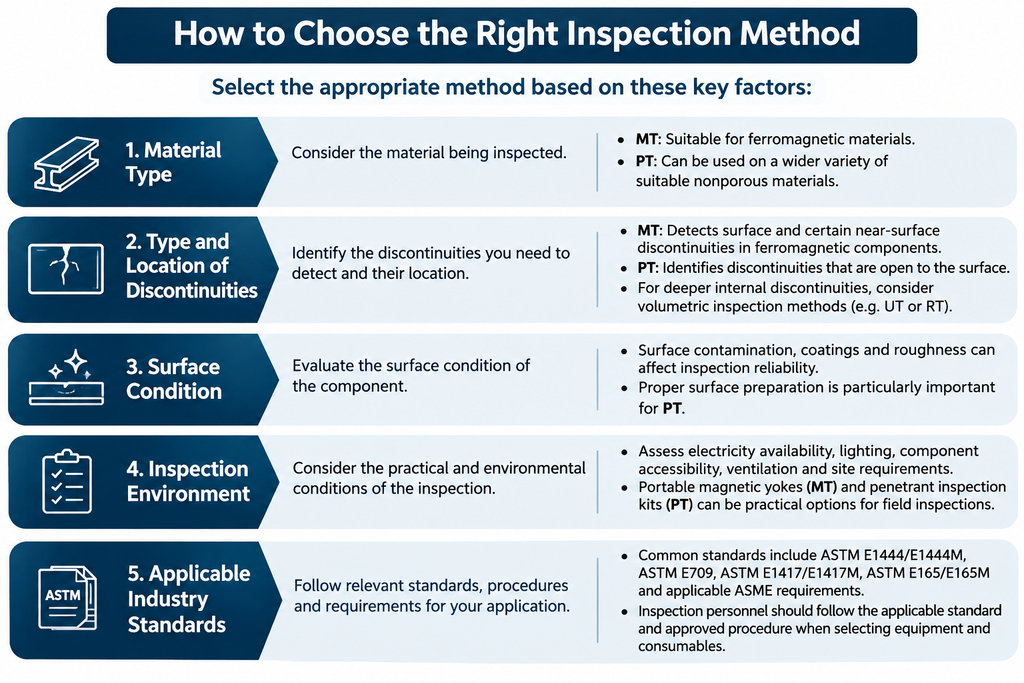
Selecting the appropriate inspection method requires consideration of five key factors:
- Material type: Determine whether the component is ferromagnetic or a suitable nonporous material.
- Discontinuity location: Identify whether surface, near-surface or deeper internal discontinuities must be detected.
- Surface condition: Evaluate cleanliness, coatings, contamination and surface roughness.
- Inspection environment: Consider accessibility, lighting, power availability and ventilation.
- Industry standards: Follow applicable ASTM, ASME and approved inspection procedures.
Depending on the application, relevant standards may include ASTM E1444/E1444M, ASTM E709, ASTM E1417/E1417M and ASTM E165/E165M.
Essential Equipment for Magnetic Particle and Liquid Penetrant Testing
Reliable inspection equipment and appropriate consumables play an important role in achieving consistent inspection results.
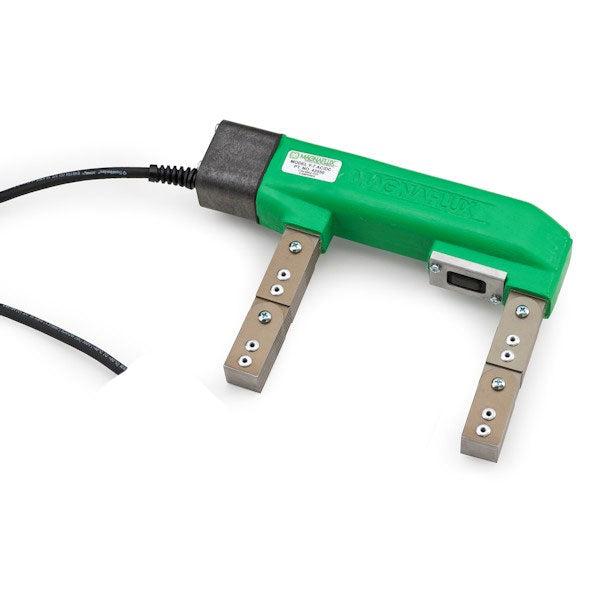
Common Magnetic Particle Testing equipment includes:
- Portable magnetic yokes
- Dry magnetic powders
- Visible and fluorescent magnetic particle suspensions
- Contrast paints
- UV-A inspection lamps
- Magnetic field verification accessories
Common Liquid Penetrant Testing products include:
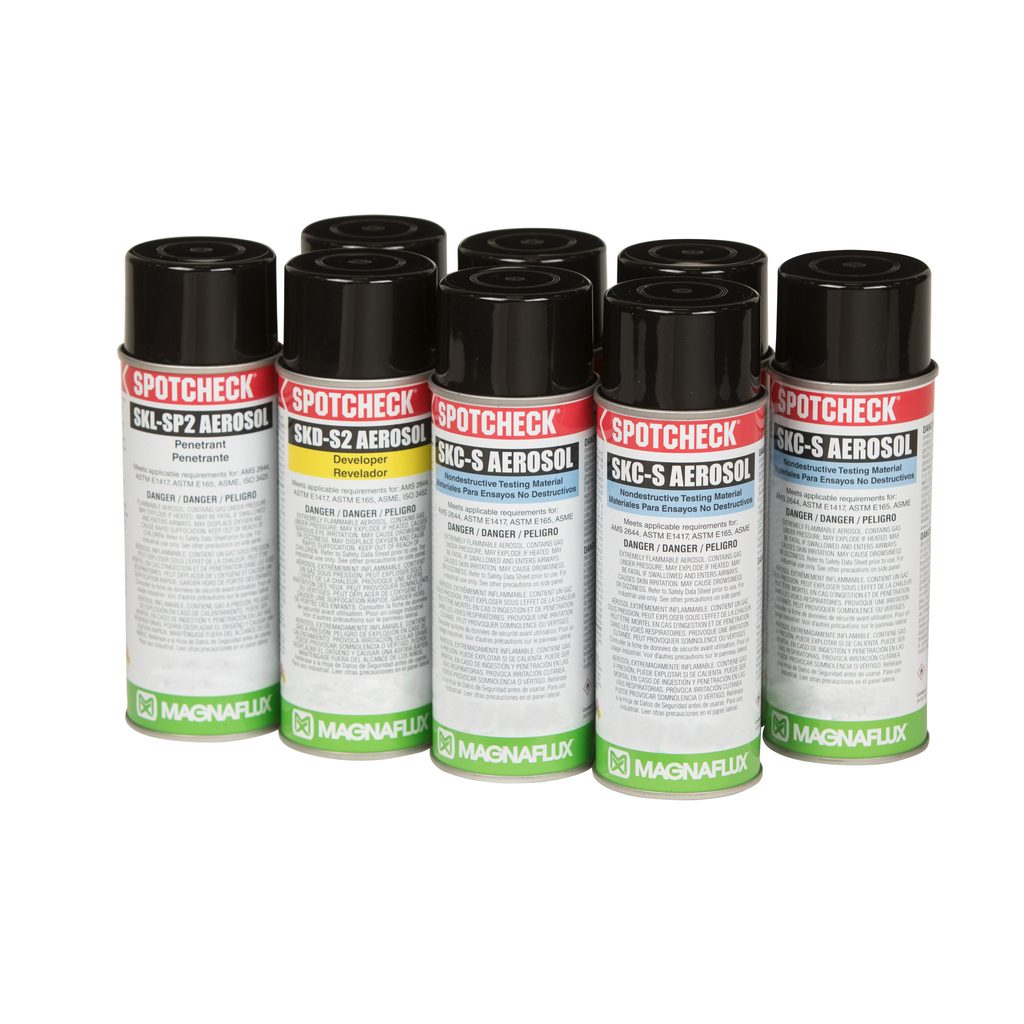
- Visible dye penetrants
- Fluorescent penetrants
- Cleaners and removers
- Developers
- UV-A inspection lamps
- Portable penetrant inspection kits
Products should be selected according to material compatibility, inspection sensitivity, applicable standards and approved procedures.
Frequently Asked Questions
Find the Right NDT Equipment at High Tech Supplies
Choosing the appropriate inspection method and equipment is essential for achieving reliable results and supporting industrial quality control.
At High Tech Supplies, we provide professional non-destructive testing equipment and consumables to support a wide range of industrial inspection applications.
Whether you require Magnetic Particle Testing equipment, Liquid Penetrant Testing products or inspection accessories, our team can help you identify solutions suited to your application.
Contact High Tech Supplies today to learn more about our NDT product portfolio and request a quote.
Recommended products

Y-2

Y-2 AC Yoke Kit(110-115 V / 50-60 Hz), Detachable cord, US Type B plug, #1 Gray and #8A Red Powders, yellow paint marker, shop cloth
$1,015.00
SK-816, Includes: 2 Cans SKL-SP2, 2 cans SKD-S2, 4 Cans SKC-S, Aerosols (P)
$296.00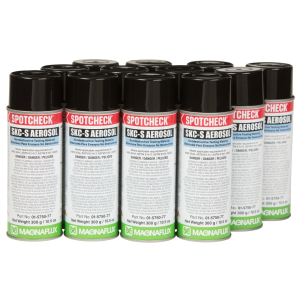
SKC-S Case of 4-1 Gallon – Spotcheck
$312.00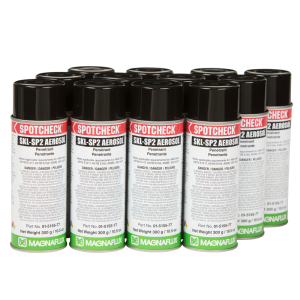
SKL-SP2 12 Pack of 16 oz. Aerosols – Aerosols and Kits (P)
$423.00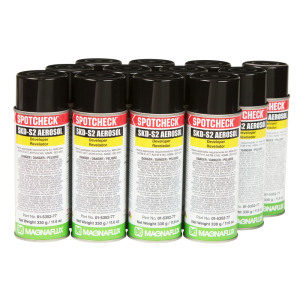
SKC-S 12 Pack of 16 oz. Aerosols – Aerosols and Kits (P)
$340.00