
5 Common Non-Destructive Testing (NDT) Methods Explained
In industries where safety, precision and reliability are essential, identifying material defects before they lead to equipment failure is a priority.
Non-Destructive Testing (NDT) allows professionals to inspect materials, components and structures without compromising their integrity or usability.
However, not all inspection methods are designed for the same applications. Understanding the differences between the most common NDT techniques can help professionals select the right inspection equipment.
1. Ultrasonic Testing (UT)
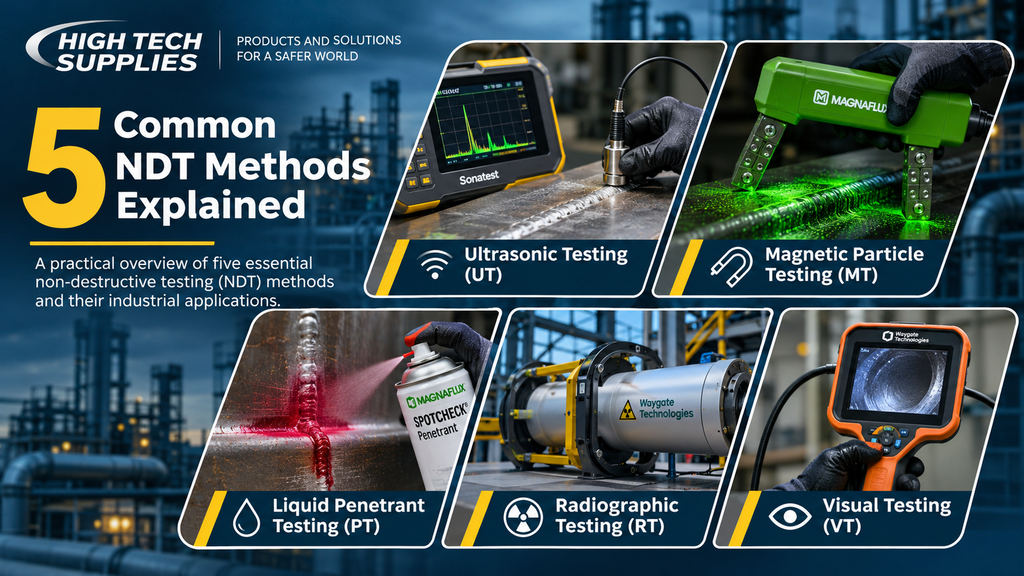
Ultrasonic testing uses high-frequency sound waves to evaluate materials and identify internal discontinuities.
This method is commonly used for:
- Material thickness measurements
- Corrosion monitoring
- Weld inspections
- Internal flaw detection
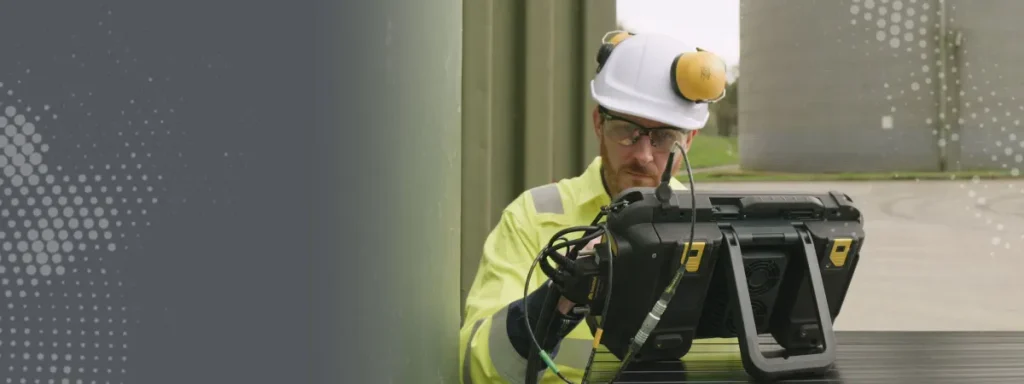
Ultrasonic thickness gauges and flaw detectors are widely used across the oil and gas, aerospace, manufacturing and marine industries.
2. Magnetic Particle Testing (MT)
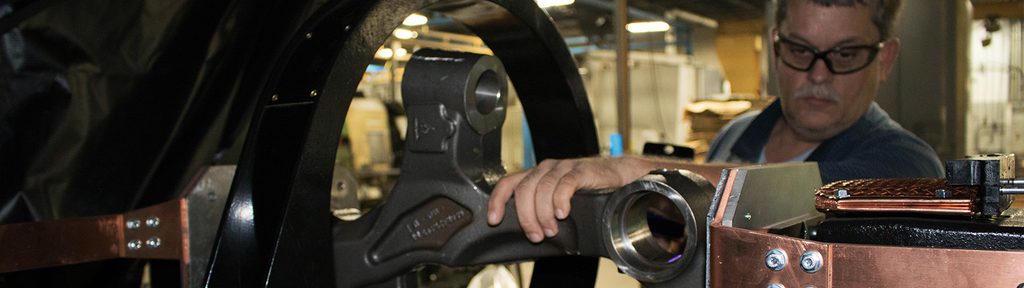
Magnetic particle testing uses magnetic fields and fine magnetic particles to identify surface and near-surface discontinuities in ferromagnetic materials.
Common applications include:
- Weld inspections
- Steel component inspections
- Automotive parts
- Crack detection
Magnetic yokes, magnetic powders and inspection accessories are essential to many magnetic particle testing procedures.
3. Liquid Penetrant Testing (PT)
Liquid penetrant testing uses a specialized liquid to detect surface-breaking discontinuities in nonporous materials.
The penetrant enters surface openings, and a developer helps make relevant indications visible.
This technique is commonly used for:
- Metal castings
- Welded components
- Aerospace parts
- Nonporous industrial materials
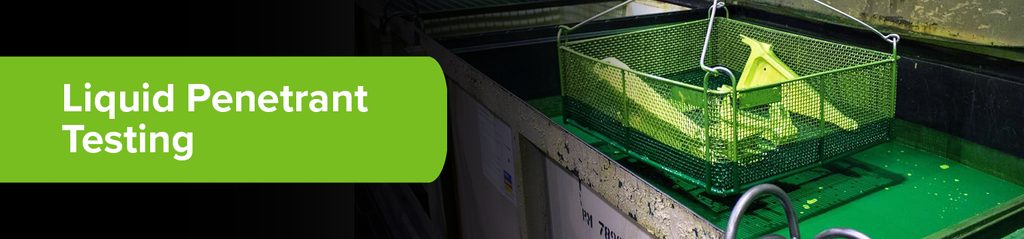
Its versatility makes it a valuable inspection method across multiple industries.
4. Radiographic Testing (RT)
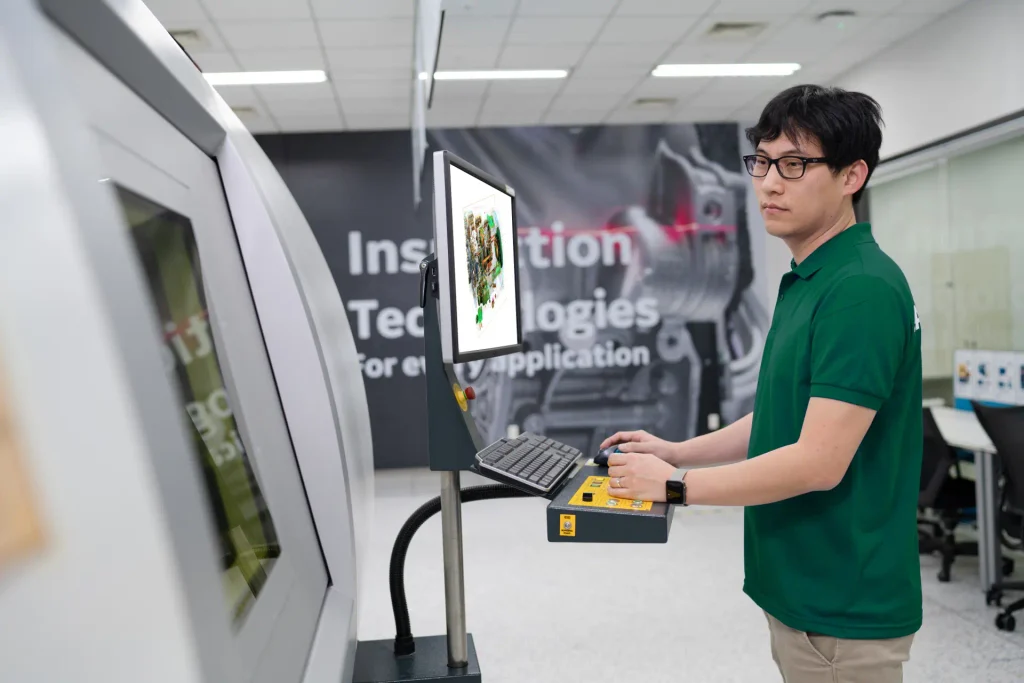
Radiographic testing uses X-rays or gamma rays to produce images of the internal structure of a component.
These images allow qualified inspectors to evaluate internal discontinuities without dismantling or destroying the material.
Common applications include:
- Pipeline weld inspections
- Pressure vessels
- Industrial castings
- Structural components
Radiographic testing requires appropriate radiation safety protocols and trained personnel.
5. Visual Testing (VT)
Visual testing is one of the most widely used NDT methods and often serves as an initial stage in industrial inspection.
It involves examining accessible surfaces directly or using specialized optical inspection equipment.
Common applications include:
- Surface corrosion
- Visible cracks
- Weld quality assessment
- Internal visual inspections using borescopes
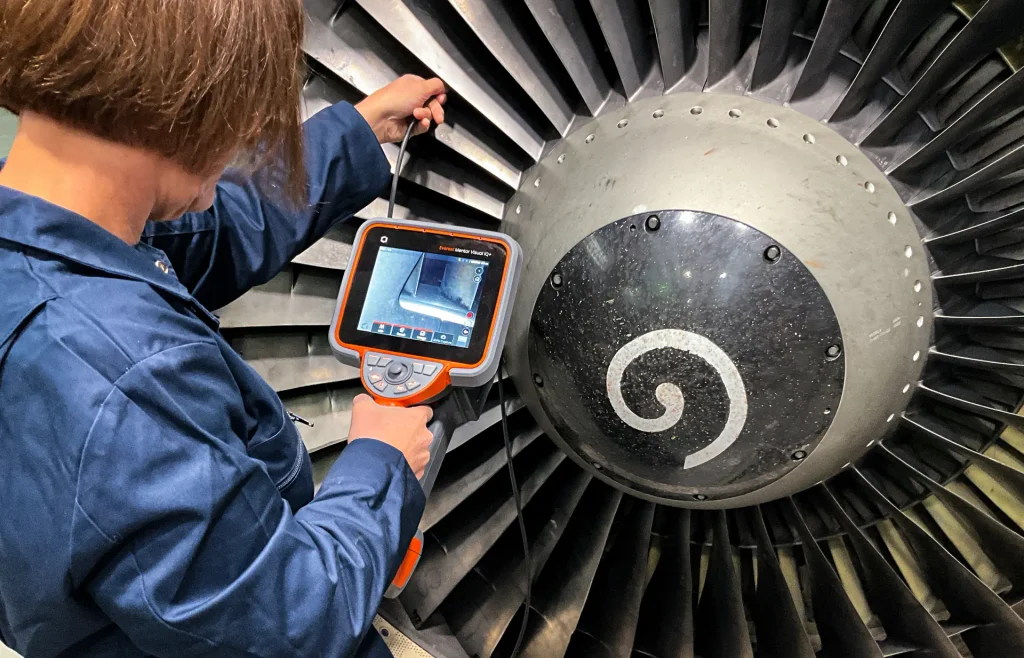
Although relatively straightforward, visual testing remains an essential part of many inspection programs.
Choosing the Right NDT Method
Selecting the appropriate inspection method depends on several factors, including:
- Material composition
- Type and location of suspected defects
- Component geometry
- Inspection environment
- Applicable industry standards
In many situations, combining multiple NDT methods can provide a more comprehensive evaluation of material integrity.
Find the Right NDT Equipment with High Tech Supplies
At High Tech Supplies, we provide specialized equipment, consumables and industrial inspection solutions to support professionals across a wide range of industries.
Whether you are looking for ultrasonic testing equipment, magnetic particle inspection supplies or other NDT solutions, our team is ready to help you identify the right equipment for your application.
Products and solutions for a safer world.