
How to Choose the Right Ultrasonic Thickness Gauge
On this article:
Choosing the right ultrasonic thickness gauge is an important part of ensuring reliable measurements and efficient industrial inspections. However, not all gauges are designed for the same applications.
What is an ultrasonic thickness gauge?
With factors to consider before purchasing.
Single-echo vs. multiple-echo measurement?
Understand the differences.
Finding the right equipment
With industry-specific applications.
How to Choose the Right Ultrasonic Thickness Gauge for Your Industry
A practical guide to accurate measurements, reliable inspections and safer industrial operations.
In industries where safety, precision and reliability are essential, understanding the condition of materials is a fundamental part of maintaining operational integrity.
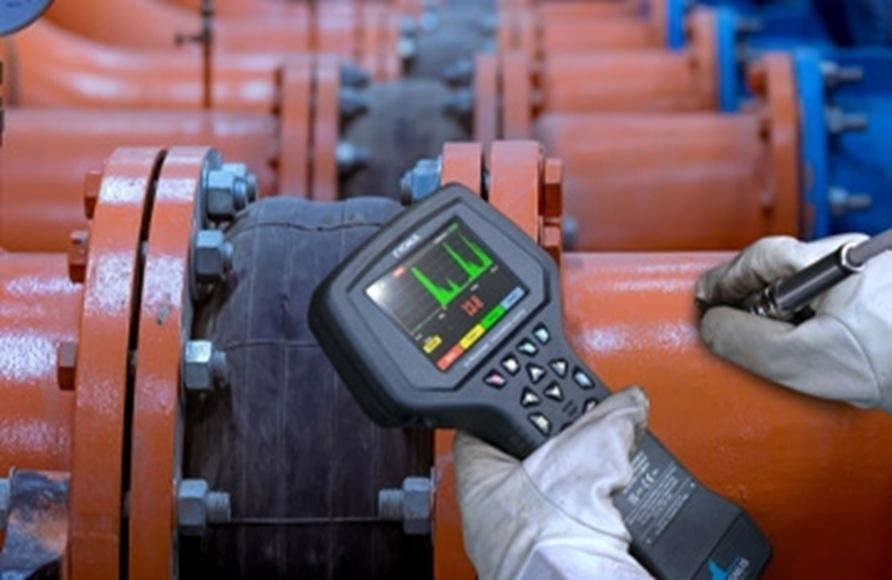
Corrosion, erosion and material degradation can compromise the structural integrity of pipelines, storage tanks, pressure vessels and other industrial assets. Ultrasonic thickness gauges allow professionals to monitor material thickness without damaging the component being inspected.
However, not all thickness gauges are designed for the same applications. Choosing the right equipment depends on several factors, including material properties, environmental conditions and inspection requirements.
What Is an Ultrasonic Thickness Gauge?
An ultrasonic thickness gauge is a non-destructive testing (NDT) instrument used to measure the thickness of a material through high-frequency sound waves.
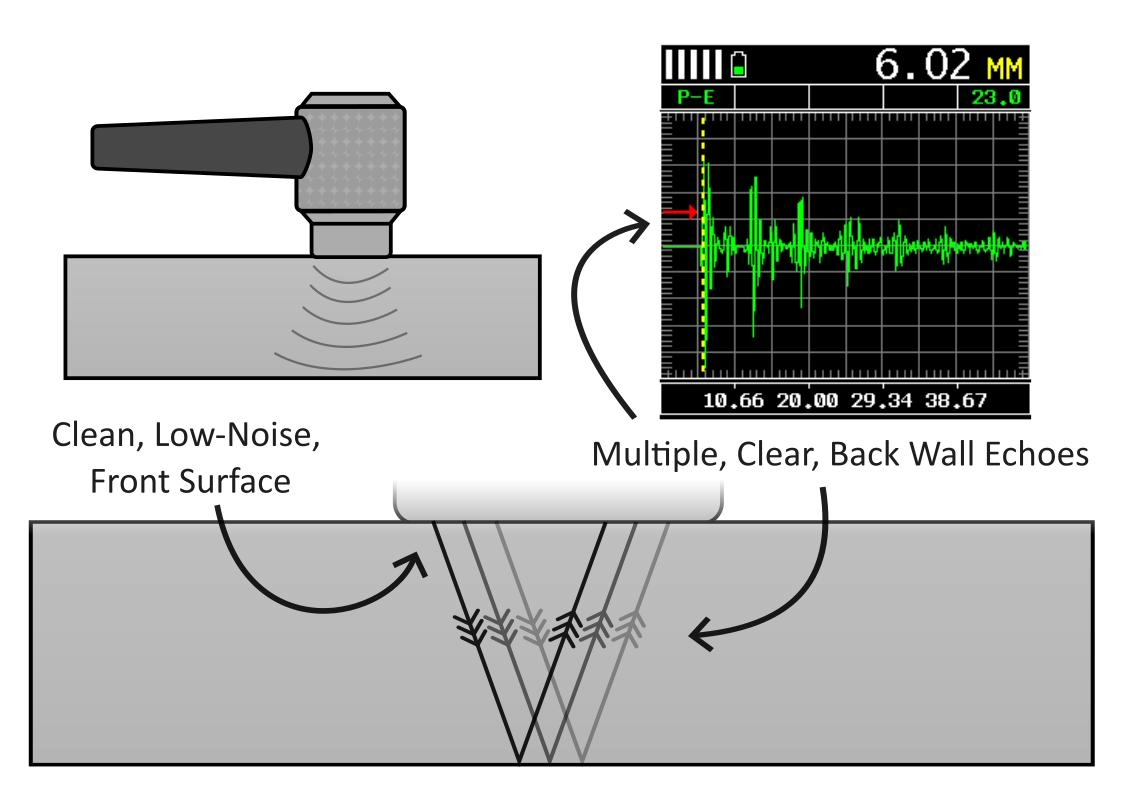
The instrument sends an ultrasonic pulse into the material through a transducer. The sound wave travels through the component, reflects from its opposite surface and returns to the transducer. The gauge uses the travel time and the material’s sound velocity to calculate its thickness.
Unlike traditional mechanical measurement methods, ultrasonic testing typically requires access to only one side of the material.
This makes ultrasonic thickness gauges particularly valuable for inspecting industrial equipment that cannot easily be dismantled or accessed from both sides.
Key benefits of ultrasonic thickness measurement
- Non-destructive inspection
- Access required from only one side
- Corrosion and erosion monitoring
- Accurate measurements under appropriate testing conditions
- Reduced need for equipment disassembly
- Support for preventive maintenance programs
6 Factors to Consider When Choosing an Ultrasonic Thickness Gauge
1. Material Type
Different materials transmit ultrasonic waves at different velocities. Identifying the material you intend to inspect is essential when selecting and configuring your equipment.
Ultrasonic thickness gauges can be used on a variety of materials, including:
- Carbon steel
- Stainless steel
- Aluminum
- Copper
- Plastics
- Glass
- Certain composite materials
Not every gauge or transducer is suitable for every material. Selecting compatible equipment and setting the correct sound velocity are essential for obtaining reliable measurements.
2. Measurement Range and Accuracy
The required measurement range depends on the thickness of the components being inspected.
For example, professionals inspecting thin metal sheets may require different equipment than those monitoring thick-walled pressure vessels or industrial storage tanks.
Before selecting a gauge, consider:
- Minimum and maximum material thickness
- Required measurement accuracy
- Display resolution
- Measurement repeatability
- Applicable inspection standards
Selecting equipment with specifications appropriate for your application can help reduce measurement errors and improve inspection reliability.
3. Surface Conditions and Coatings
Industrial components are frequently protected by paint, coatings or other surface treatments.
Conventional ultrasonic measurement techniques may include the coating thickness in the reading, depending on the instrument and measurement mode.
Multiple-echo technology can measure the underlying material through suitable coatings without requiring their removal, provided the inspection conditions allow reliable echoes to be obtained.
This can be particularly beneficial when inspecting:
- Painted pipelines
- Marine structures
- Industrial storage tanks
- Offshore platforms
- Coated steel components
Choosing a gauge with appropriate through-coating measurement capabilities can save preparation time and help preserve protective surface treatments.
4. Operating Environment
Industrial inspections are often performed under challenging environmental conditions.
Depending on your industry, your thickness gauge may need to operate in environments involving moisture, dust, elevated temperatures or limited accessibility.
Equipment features to consider include:
- Water and dust resistance
- Rugged construction
- Operating temperature range
- Display visibility
- Battery life
- Hazardous-area certification, where required
For demanding environments, selecting equipment specifically designed and certified for the operating conditions is especially important.
5. Transducer Compatibility
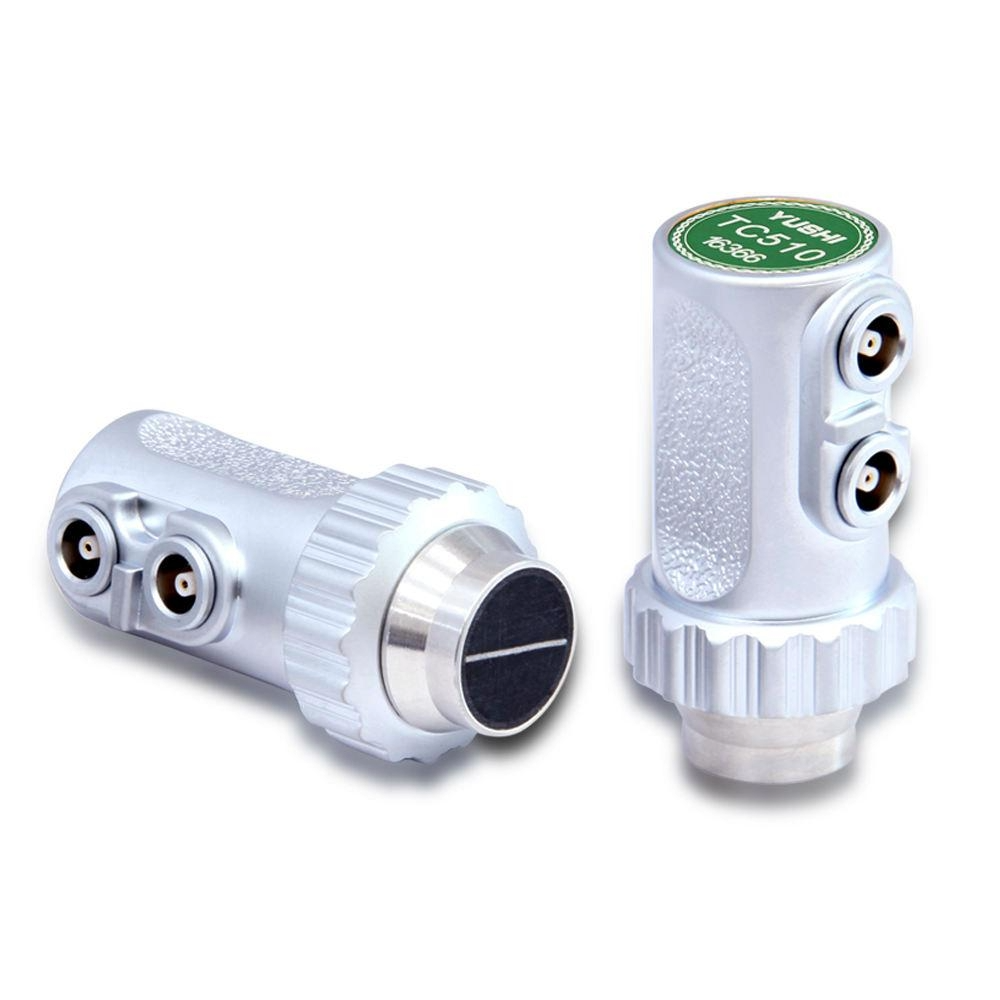
The transducer is one of the most important components of an ultrasonic thickness measurement system.
Different transducers are designed for different materials, thickness ranges, surface geometries and inspection conditions.
Common options include:
- Single-element transducers
- Dual-element transducers
- High-temperature transducers
- Small-diameter transducers
- Delay-line transducers
Selecting the appropriate transducer can significantly influence measurement reliability, particularly when inspecting curved surfaces, thin materials or corroded components.
6. Data Logging and Reporting Capabilities
Modern ultrasonic thickness gauges may offer digital features that simplify inspection documentation and reporting.
Depending on the model, these capabilities may include:
- Internal measurement storage
- A-scan visualization
- Minimum thickness alarms
- Measurement transfer to computers
- Inspection reporting software
- Measurement location tracking
These features can be particularly useful for organizations conducting recurring inspections and monitoring material degradation over time.
Understanding Ultrasonic Measurement Modes
Different ultrasonic measurement modes offer advantages depending on the inspection application.
| Measurement Mode | Typical Application |
|---|---|
| Single Echo | Conventional thickness measurements, including suitable uncoated materials |
| Echo-to-Echo | Measuring underlying material thickness through suitable coatings |
| Multiple Echo | Through-coating measurements using multiple consistent back-wall echoes |
Understanding the differences between these measurement modes can help professionals select equipment suited to their inspection procedures.
Industrial Applications of Ultrasonic Thickness Gauges
Ultrasonic thickness measurement plays an important role across a wide range of industries.
Why Equipment Calibration Matters
Even advanced ultrasonic thickness gauges require proper calibration and verification to deliver reliable results.
Incorrect sound velocity settings, unsuitable transducers and improper calibration can affect measurement accuracy and lead to incorrect assessments of material condition.
Regular equipment calibration and verification can support:
- Measurement accuracy and consistency
- Compliance with applicable inspection requirements
- Reliable inspection documentation
- Equipment performance
- Confidence in inspection results
Calibration intervals and verification procedures should follow manufacturer recommendations, applicable standards and organizational quality requirements.
Find the Right Ultrasonic Thickness Gauge with High Tech Supplies
At High Tech Supplies, we understand that every industrial inspection presents unique challenges.
Through our relationships with internationally recognized manufacturers, including Cygnus Instruments, we connect industrial professionals with ultrasonic thickness measurement solutions for a variety of applications.
Beyond equipment distribution, we offer technical assistance, calibration, repair and specialized support to help our customers make informed equipment decisions.
Whether you are monitoring pipeline corrosion, inspecting marine structures or performing routine quality control, our team can help you identify equipment suited to your inspection requirements.