What Is Non-Destructive Testing (NDT)? A Beginner’s Guide
Non-destructive testing
Imagine being able to identify a crack inside a metal component without cutting it open or determine the remaining wall thickness of a pipeline without damaging it.
This is possible through Non-Destructive Testing (NDT), an essential practice that helps industries maintain safety, quality and operational reliability.
What Is Non-Destructive Testing?
Non-Destructive Testing, commonly referred to as NDT, encompasses a range of inspection techniques used to evaluate the properties and integrity of materials, components and structures without compromising their usability.
Unlike destructive testing, which may require a sample to be broken, cut or permanently altered, NDT allows components to be evaluated while preserving their physical integrity.
This makes it particularly valuable in industries where equipment failure can result in significant financial losses, operational disruptions and safety hazards.
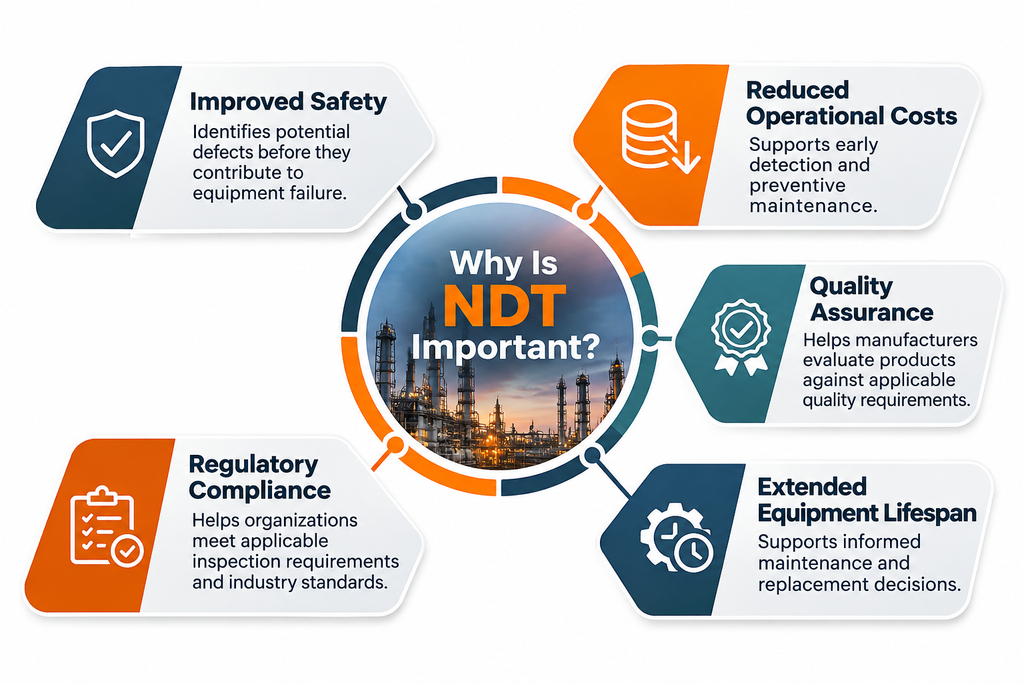
Why Is NDT Important?
Non-Destructive Testing plays a critical role in industrial quality control and asset integrity management.
Its main benefits include:
- Improved safety: Identifies potential defects before they contribute to equipment failure.
- Reduced operational costs: Supports early detection and preventive maintenance.
- Quality assurance: Helps manufacturers evaluate products against applicable quality requirements.
- Extended equipment lifespan: Supports informed maintenance and replacement decisions.
- Regulatory compliance: Helps organizations meet applicable inspection requirements and industry standards.
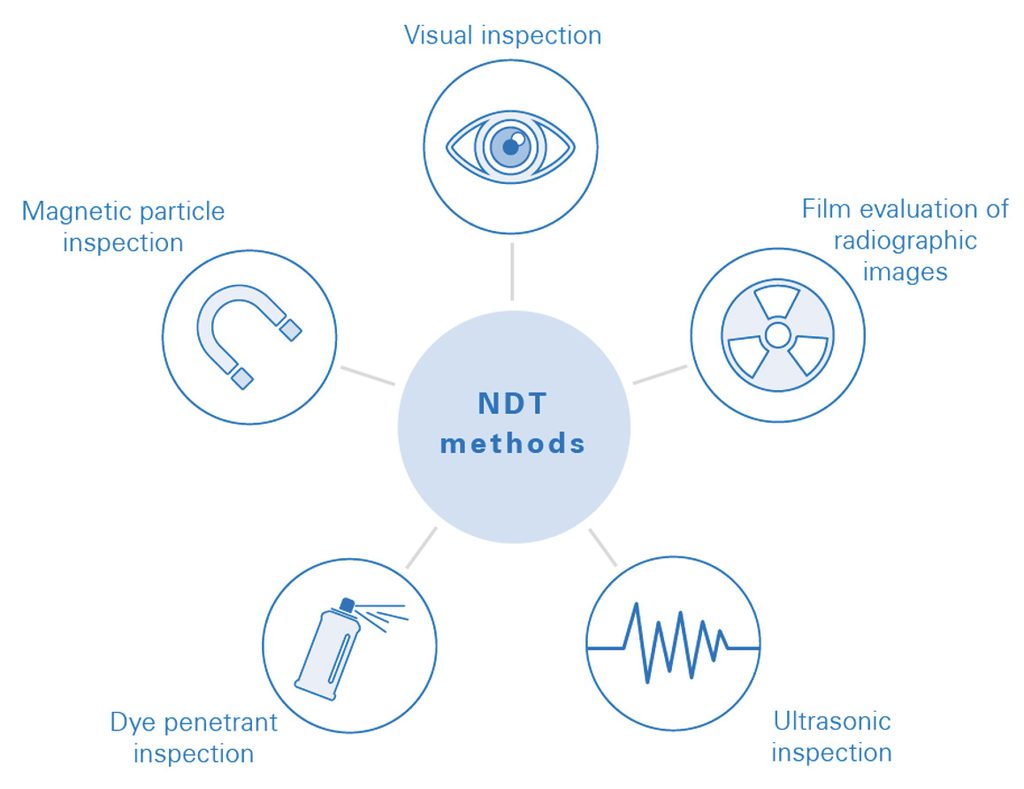
Five Common Methods of Non-Destructive Testing
Different inspection methods are used depending on the material, application and type of discontinuity being evaluated.
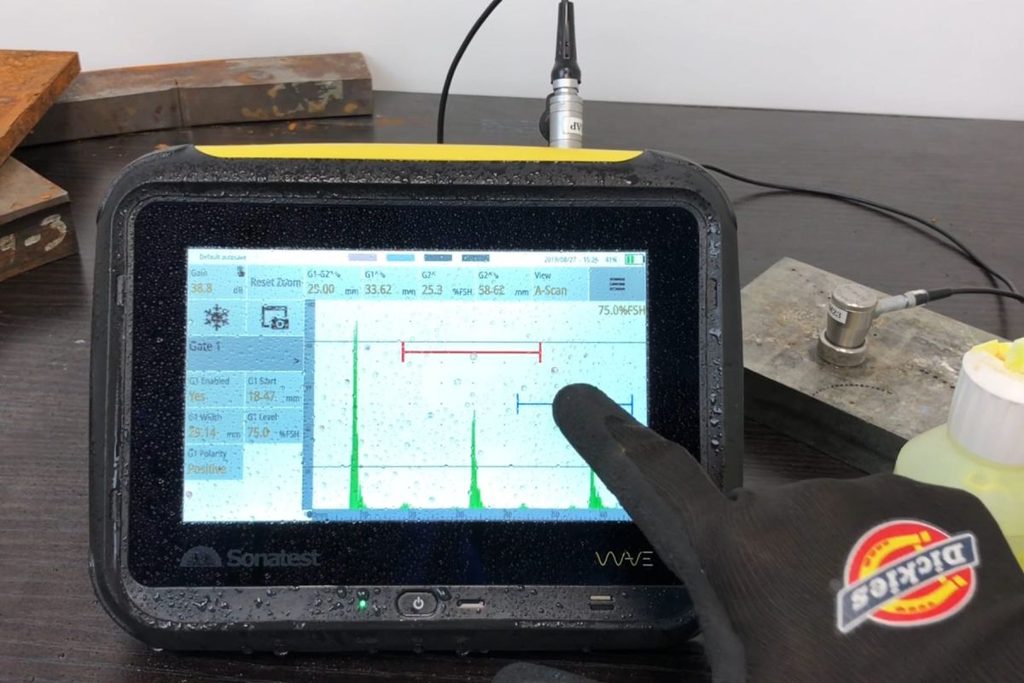
1. Ultrasonic Testing (UT)
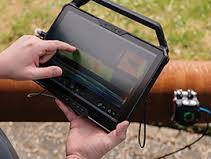
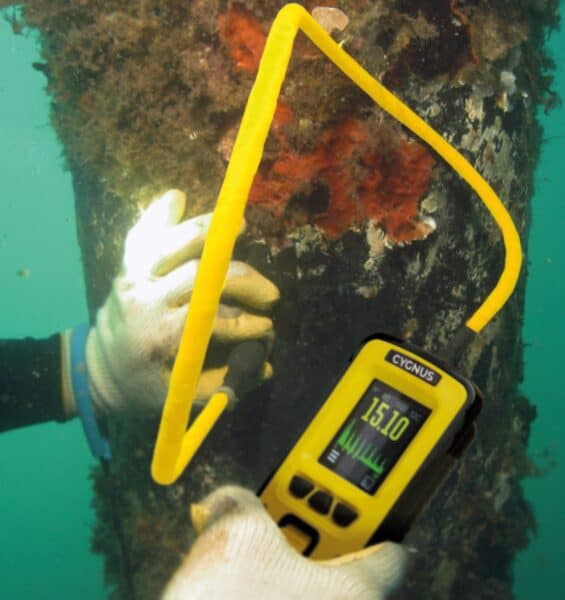
Ultrasonic Testing uses high-frequency sound waves to evaluate materials, detect internal discontinuities and measure material thickness.
Common applications include pipeline inspections, weld evaluations and corrosion monitoring.
2. Radiographic Testing (RT)
Radiographic Testing uses X-rays or gamma rays to produce images of the internal structure of a component.
It can help identify internal discontinuities such as porosity, inclusions and certain welding defects.
3. Magnetic Particle Testing (MT)
Magnetic Particle Testing uses magnetic fields and magnetic particles to identify surface and near-surface discontinuities in ferromagnetic materials.
It is commonly used to inspect steel components, welds and industrial machinery.
4. Liquid Penetrant Testing (PT)
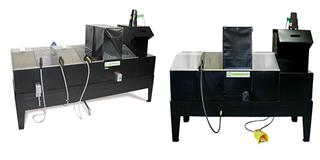
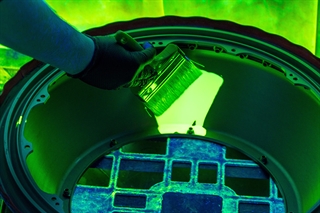
Liquid Penetrant Testing uses a specialized liquid to reveal surface-breaking discontinuities in nonporous materials.
It is particularly useful for detecting surface cracks that may not be easily visible to the naked eye.
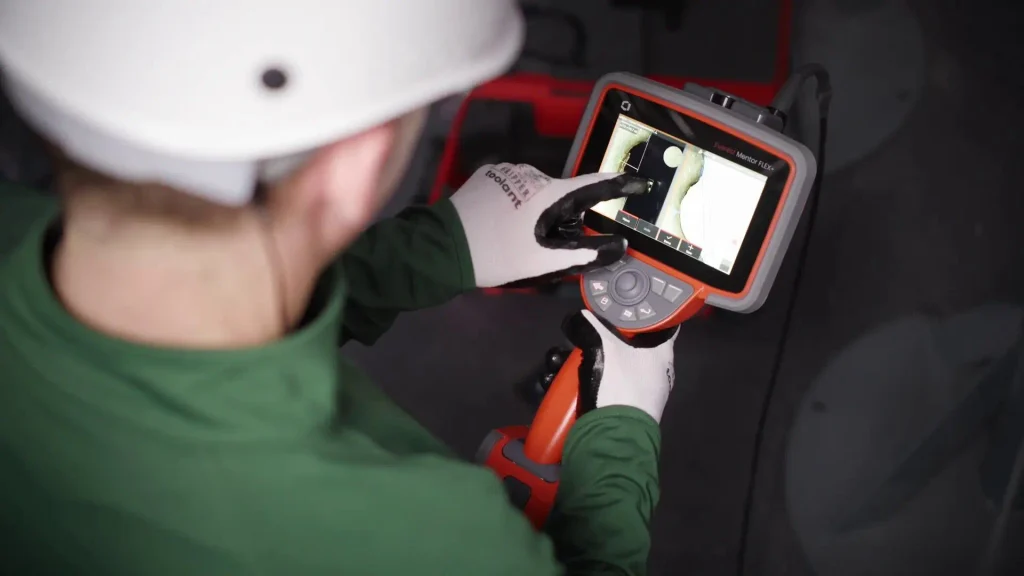
5. Visual Testing (VT)
Visual Testing involves examining the surface of a component for visible signs of damage, corrosion, deformation or manufacturing defects.
It is often one of the first steps in an industrial inspection process.
Which Industries Use NDT?
Non-Destructive Testing is widely used across industries where structural integrity and operational reliability are essential.
- Oil and gas: Pipelines, storage tanks and pressure vessels.
- Aerospace: Aircraft components and structural materials.
- Marine: Ship hulls, offshore structures and corrosion monitoring.
- Manufacturing: Product quality control and component inspection.
- Power generation: Turbines, boilers and critical infrastructure.
- Construction: Structural steel, welded connections and infrastructure.
Choosing the Right NDT Method
There is no single inspection method suitable for every industrial application.
Selecting the appropriate technique depends on several factors, including:
- Material composition
- Component geometry
- Expected type of discontinuity
- Inspection environment
- Applicable industry standards
- Required inspection sensitivity
In many cases, multiple NDT methods are combined to achieve a more comprehensive evaluation.
Discover the Right NDT Solutions
At High Tech Supplies, we understand the importance of reliable inspection technology in maintaining industrial safety and quality.
Explore our range of Non-Destructive Testing equipment and consumables, or contact our team for assistance selecting the right solution for your inspection requirements.
High Tech Supplies — Products for a Safer World.